
Wildlife beneath your home can cause more than strange noises and unpleasant odors. Animals entering crawlspaces can damage insulation, tear vapor barriers, chew wiring, leave droppings, and introduce additional pests. As temperatures drop across the Pacific Northwest, crawlspaces can become attractive shelters for wildlife seeking protection from the elements.
Deep Roots Pest and Wildlife Innovations, LLC, helps homeowners address wildlife problems and explore long-term exclusion solutions. Our crawlspace wildlife removal services can help identify unwanted visitors, address animal activity, and determine how they are getting beneath your home.
What Animals Commonly Take Shelter in Crawlspaces?
Several types of wildlife and rodents may shelter beneath Pacific Northwest homes. Identifying the intruder is an important first step toward choosing an appropriate removal and exclusion strategy. Common crawlspace intruders include:
- Rats and Mice: These rodents can chew wiring, damage insulation, contaminate materials with droppings, and build nests.
- Raccoons: These resourceful animals may tear open damaged vents or exploit weak points to reach sheltered spaces.
- Skunks: Skunks may establish dens beneath homes when damaged skirting or open crawlspace entrances provide access.
- Opossums: These animals may use crawlspaces for temporary shelter or nesting, leaving waste and disturbed materials.
- Squirrels: Although more commonly associated with attics, squirrels may enter accessible spaces beneath structures.
Wildlife can also introduce secondary concerns. Fleas, ticks, and mites may accompany certain animals, while rodent activity can create unsanitary conditions and attract predators.
Signs You Have Wildlife in Your Crawlspace
You may never see the animal itself, but its activity can leave noticeable clues. Recognizing these signs early may help prevent more extensive damage. Watch for the following indicators:
- Scratching, scurrying, or movement beneath your floors, especially at night.
- Droppings, persistent animal odors, or unusual smells coming from below the house.
- Torn insulation, damaged vapor barriers, nesting materials, or gnaw marks.
- Tracks, disturbed soil, burrows, or digging near the foundation.
- Bent crawlspace vents, damaged screens, gaps around pipes, or openings near the foundation.
- Fleas or other pests appearing indoors after wildlife activity begins.
What Animal Is in My Crawlspace?
Identifying a crawlspace intruder often requires looking for several clues rather than relying on noises or droppings alone. If you suspect wildlife has moved beneath your home, check for the following signs to help narrow down the possibilities:
- Entry Points: Look for damaged crawlspace vents, loose screens, gaps along the foundation, and holes near utility lines.
- Tracks and Digging: Examine the soil around your home for footprints, disturbed ground, or burrows.
- Property Damage: Look for torn insulation, damaged vapor barriers, gnaw marks, and nesting materials.
- Droppings and Odors: Notice unusual smells or visible waste without touching or disturbing it.
- Unusual Noises: Pay attention to scratching, scurrying, or movement, noting whether it occurs during the day or at night.
These clues can help you determine what kind of animal is in your crawlspace, but they may not provide a definite identification. Avoid entering confined areas, disturbing nests, or approaching unfamiliar wildlife.
Why Crawlspace Wildlife Exclusion Matters
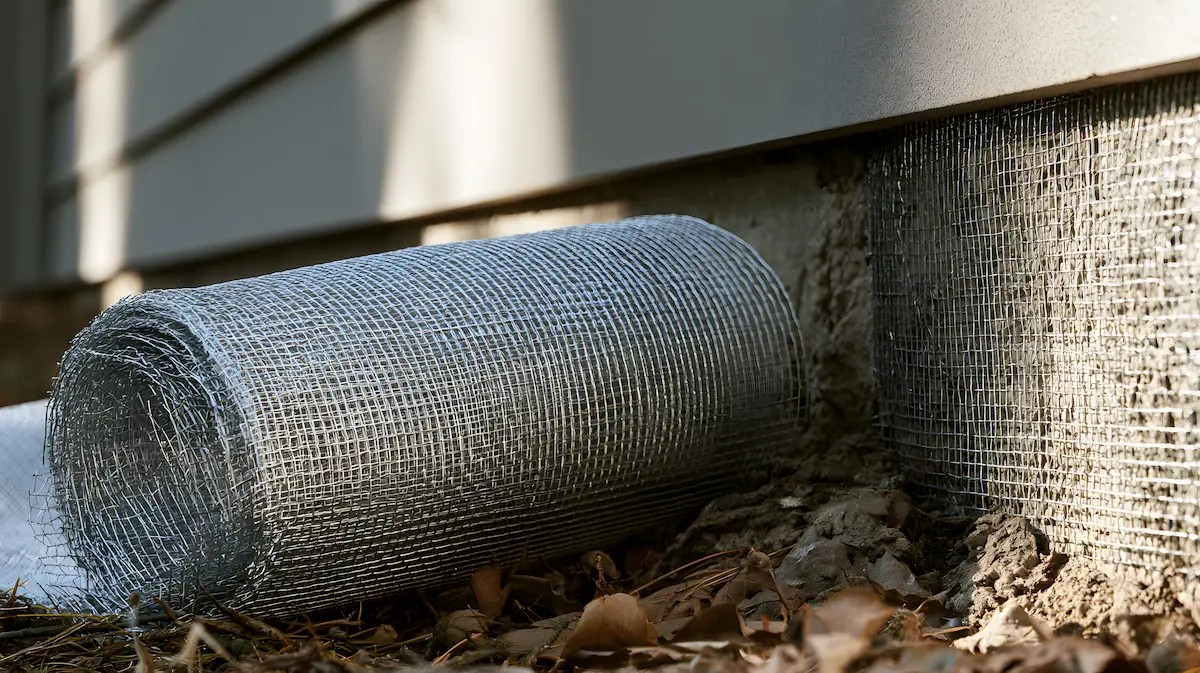
Removing an animal alone may not prevent future intrusions if entry points remain open. Professional crawlspace wildlife control addresses the problem through appropriate exclusion methods that help prevent wildlife from returning.
Acting early can also limit damage to insulation, vapor barriers, and wiring while reducing potential cleanup and repair costs. If you suspect wildlife has entered your crawlspace, consider these steps:
- Inspect the Exterior: Look for damaged vents, gaps, loose screens, and openings around utility penetrations.
- Document What You Notice: Record unusual sounds, odors, visible damage, and when activity occurs.
- Avoid Sealing Openings Prematurely: An animal could become trapped inside, and some situations may involve dependent young.
- Arrange Professional Assistance: Have the animal identified and the crawlspace assessed for damage and entry points.
- Address Exclusion and Repairs: Close appropriate entry points and repair damaged materials to help discourage future intrusions.
FAQs About Crawlspace Wildlife
Several animals may take shelter beneath homes in the Pacific Northwest. Learn more about these common crawlspace intruders by exploring our wildlife control pages:
Yes. Certain animals may bring fleas, ticks, and other parasites into sheltered spaces. Droppings, nesting materials, and moisture can also contribute to additional pest concerns. Addressing wildlife activity can help identify related problems.
Yes, wildlife exclusion can help prevent animals from returning by identifying and sealing the openings they use to enter your home. Visit our Wildlife Exclusion and Prevention page to learn how professional exclusion addresses entry points and helps reduce repeat intrusions.
Get Help With Crawlspace Wildlife Removal
If you hear unusual noises beneath your floors, discover damaged insulation, or suspect an animal has moved into your crawlspace, addressing the problem early may help limit damage and avoid costly repairs. Deep Roots helps homeowners in Portland, OR, Vancouver, WA, and other nearby communities address wildlife intrusions and explore long-term exclusion options.
Contact Deep Roots Pest and Wildlife Innovations, LLC to discuss your crawlspace concerns and learn how professional wildlife removal and exclusion can help protect your home.