

Seasonal Pests in Vancouver WA
Household Pests
Eco Friendly Pest Control – Portland OR | Vancouver WA
The same conditions that make the Pacific Northwest such a wonderful place to live also create the perfect environment for a wide variety of seasonal household pests. If you’ve spotted mysterious droppings, noticed gnawed food packages, or found unwanted critters crawling across your kitchen counter, you’re not alone.
Spring brings warming temperatures that wake up dormant insects, summer is peak season for flying insects, autumn triggers many pests to seek shelter indoors, and winter brings in seasonal invaders like rodents, roaches, and pantry pests.
As certified pest control professionals, we’ve seen firsthand how seasonal pests in Vancouver WA and Portland OR can turn a comfortable home into a stressful situation.
Get your Free Estimate Today
Protect your home with a smarter, safer, and more effective approach to pest and wildlife control. Contact the local experts at Deep Roots today for a no-obligation estimate and experience the difference a committed partner can make.
Ants
Peak Season: Spring
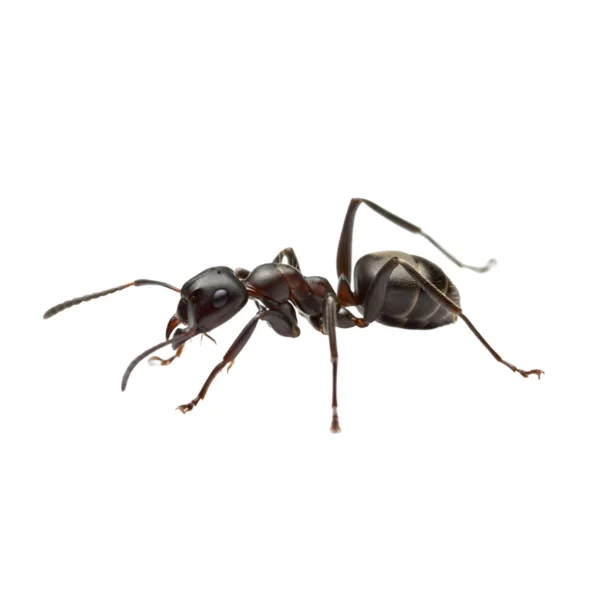
Vancouver WA and Portland OR is home to several ant species. Odorous house ants are small (⅛ inch) and dark brown to black. Carpenter ants are much larger (up to ½ inch), usually black, and have a single node between their thorax and abdomen. Pavement ants are small, dark brown, and often seen near sidewalks and driveways.
Ants typically enter through cracks in foundations, gaps around windows and doors, and along utility lines.
You need to locate and treat the colony. Remove food sources by storing food in airtight containers and cleaning up crumbs immediately.
While most ants are mainly a nuisance, carpenter ants can cause serious structural damage to your home.
Bees
Peak Season: Summer
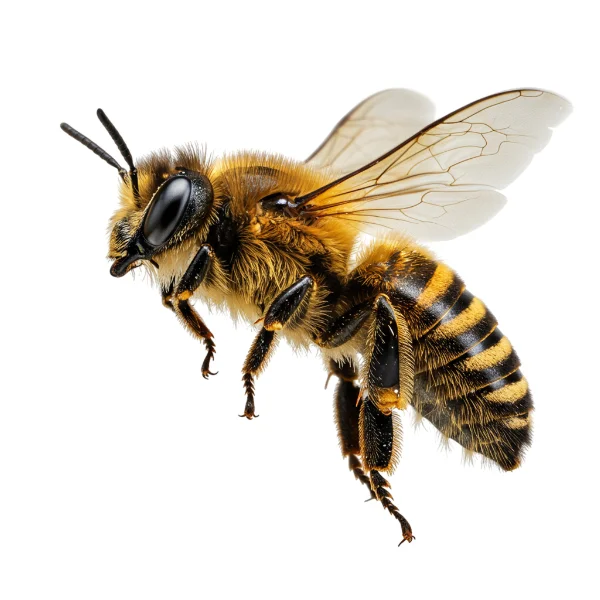
Honey bees are fuzzy, golden-brown insects about ½ inch long with black stripes. Bumble bees are larger and rounder with yellow and black bands. Mason bees are smaller and often metallic blue or green.
Bees nest in a variety of locations, such as walls, attics, hollow trees, abandoned rodent burrows, and under decks.
Because bees are important pollinators, we always recommend professional removal rather than extermination when possible.
Bee stings are painful and can be life-threatening to people with allergies. Multiple stings can cause serious reactions even in people without known allergies.
Boxelder Bugs
Peak Season: Fall
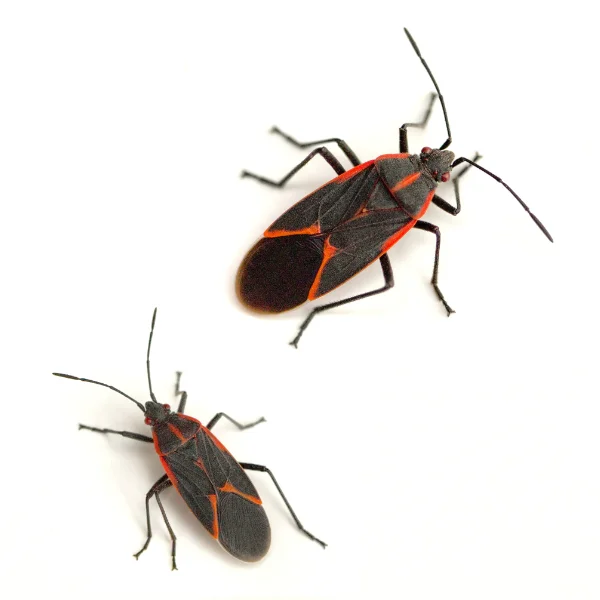
Boxelder bugs are about ½ inch long with flat, elongated black bodies and distinctive red or orange markings along their wings and thorax.
These bugs feed on boxelder, maple, and ash trees during summer. As fall temperatures drop, they congregate on the sunny sides of buildings and try to enter homes through cracks, vents, and gaps around windows and doors.
Prevention is the best approach. Seal entry points before fall arrives, vacuum up any boxelder bugs that make it inside, and don’t crush them (they release a foul odor and can stain surfaces).
Boxelder bugs don’t bite, spread disease, or cause structural damage. However, they can stain walls, curtains, and furniture with their excrement.
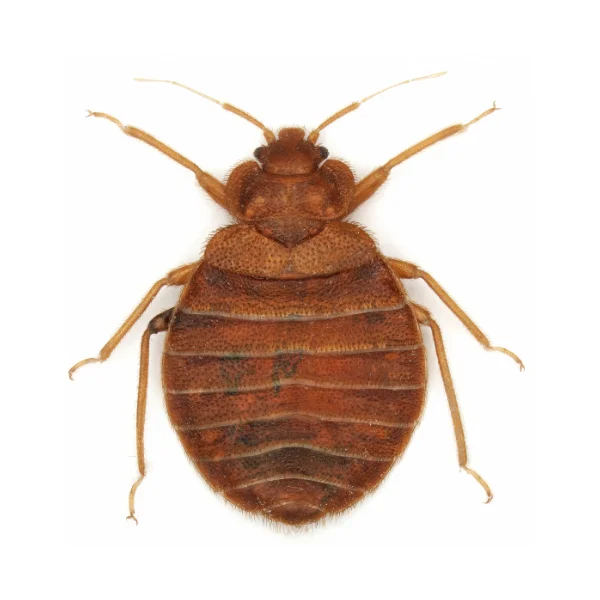
Bed Bugs
Peak Season: Summer
Adult bed bugs are flat, oval-shaped, and reddish-brown, about the size and shape of an apple seed (¼ inch). After feeding, they become swollen and more reddish.
Bed bugs hide in mattress seams, box springs, bed frames, headboards, and nearby furniture.
Bed bugs are extremely difficult to eliminate without professional help. DIY treatments rarely reach all hiding spots. Professional pest control uses a combination of thorough inspection, heat treatments, targeted pesticides, and follow-up visits to completely eliminate infestations.
While bed bugs don’t transmit diseases, their bites cause itchy, red welts and can lead to secondary infections from scratching.
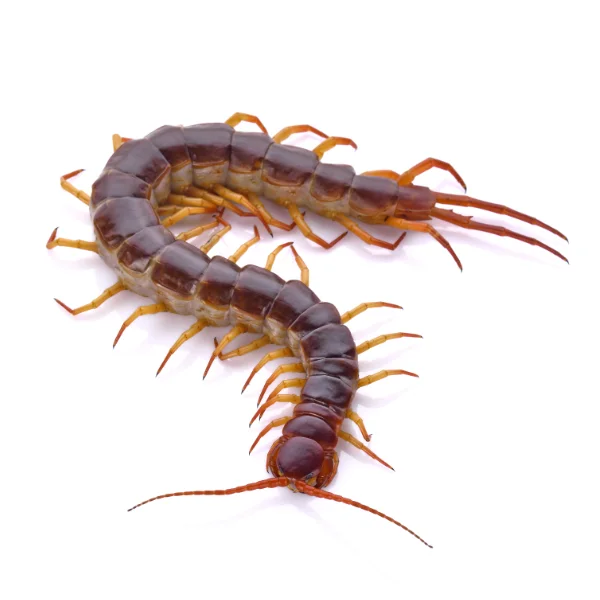
Centipedes
Peak Seasons: Spring & Fall
House centipedes are yellowish-gray with up to 15 pairs of long, striped legs. They’re typically 1 1 ½ inches long with very long antennae.
Centipedes prefer dark, damp areas. You’ll find them in basements, bathrooms, closets, and crawl spaces.
Since centipedes feed on other pests, their presence often indicates a larger pest problem. Reduce moisture, fix leaky pipes, remove clutter, and seal entry points.
House centipedes can bite if handled, causing pain similar to a bee sting, but they rarely bite humans. They’re actually beneficial because they eat other pests.
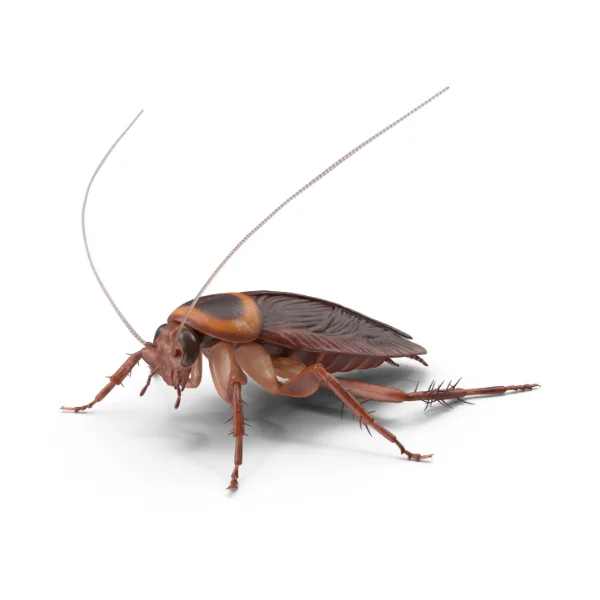
Cockroaches
Peak Seasons: Fall & Winter
German cockroaches are small (½ -⅝ inch), light brown, with two dark stripes behind their head. American cockroaches are much larger (one to two inches), reddish-brown with a yellow figure-8 pattern behind their head. Oriental cockroaches are dark brown to black, about one inch long, with a shiny appearance.
Cockroaches thrive in warm, humid areas near food and water, such as kitchens and bathrooms.
Roach control requires a multi-step approach. Eliminate food sources by cleaning thoroughly, storing food properly, and taking out trash regularly.
Cockroaches pose serious health risks. They spread bacteria (salmonella and E. coli), with their droppings, shed skins, and body parts. They can contaminate food and surfaces wherever they travel.
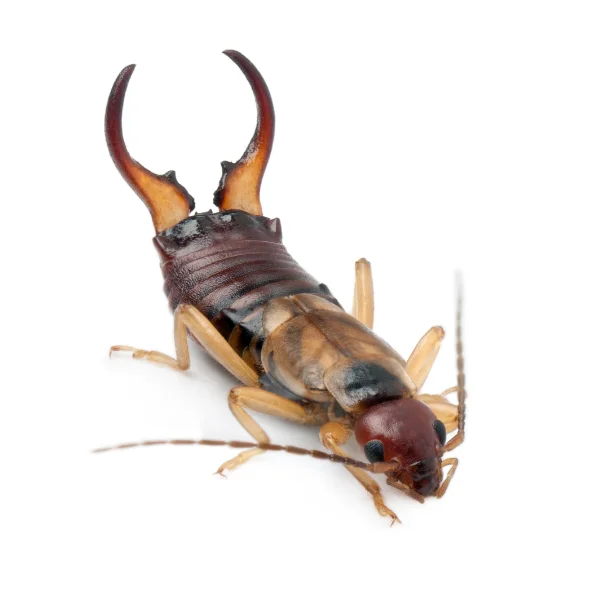
Earwigs
Peak Seasons: Spring through Fall
Earwigs are dark brown, about 3/4 inch long, with distinctive pincer-like appendages (cerci) at the end of their abdomen.
Earwigs prefer dark, moist environments. Outside, they hide under mulch, rocks, logs, and leaf litter.
Reduce moisture around your home’s foundation by fixing drainage issues and keeping gutters clean.
Despite their menacing appearance, earwigs don’t bite or pinch humans aggressively. They don’t spread disease or cause structural damage. Their cerci can pinch if handled, but it rarely breaks skin.
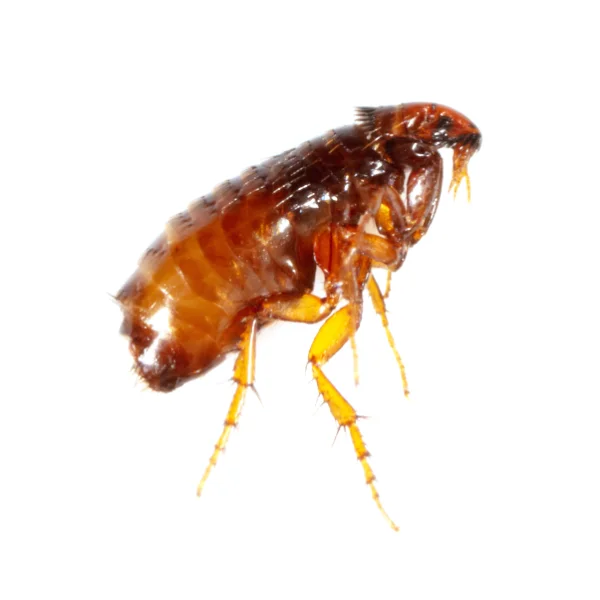
Fleas
Peak Seasons: Spring through Fall
Fleas are tiny (⅛ inch), dark reddish-brown, wingless insects with flat bodies and powerful hind legs for jumping.
Fleas live on pets and in areas where pets sleep and spend time. They lay eggs that fall into carpets, furniture, bedding, and cracks in floors. Flea larvae develop in these hidden areas before emerging as biting adults.
Consult your veterinarian about flea prevention for pets. Vacuum frequently, especially in areas where pets rest, and dispose of the bag immediately.
Flea bites cause itchy, red bumps and can trigger allergic reactions in both humans and pets. Fleas can transmit tapeworms and, in rare cases, diseases including murine typhus and plague.
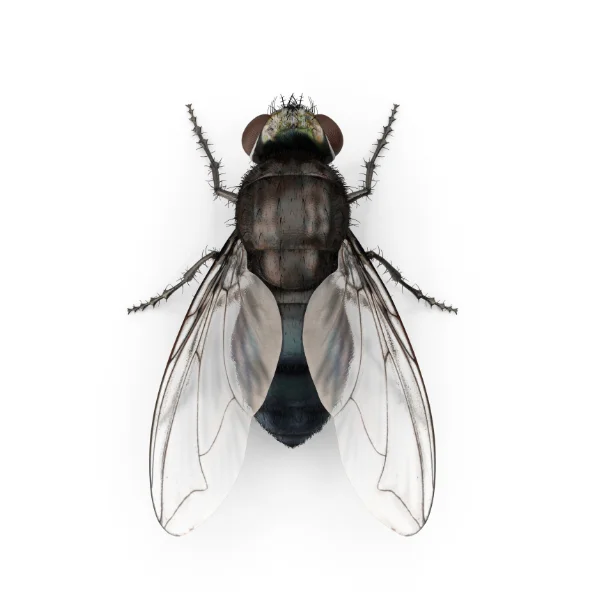
Flies
Peak Season: Summer
House flies are gray with four dark stripes on their thorax, about ¼ inch long, with large red compound eyes. Fruit flies are tiny (⅛ inch), tan or brown with red eyes. Drain flies are small, fuzzy, and moth-like with large wings.
Flies enter through open doors and windows and are attracted to food, garbage, and pet waste. Some flies congregate around overripe fruit, vegetables, and fermenting liquids, and some breed in the organic buildup inside drains.
Eliminate breeding sources, keep garbage in sealed containers (and take it out regularly), store produce properly, discard overripe items, clean drains with enzymatic cleaners to remove organic buildup, and use screens on windows and doors.
Flies spread disease by landing on food and surfaces after visiting garbage, feces, and decaying matter. House flies can transmit over 100 different pathogens, including Salmonella, E. coli, and typhoid.
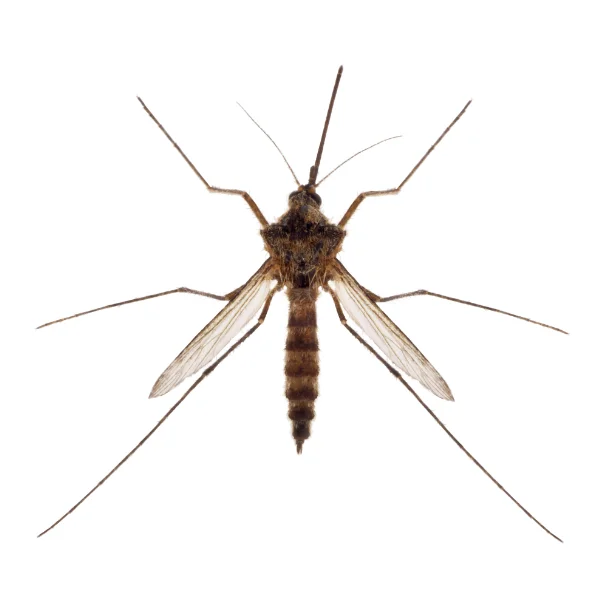
Mosquitoes
Peak Season: Summer
Mosquitoes have long, thin legs and a distinctive long proboscis (mouthpart) used for feeding on blood. They’re typically gray or brown, with some species having white markings.
Mosquitoes breed in standing water of any amount, even a bottle cap full. Common breeding sites include clogged gutters, birdbaths, flower pot saucers, old tires, and low areas where water collects.
Eliminate standing water wherever possible. Clean gutters, empty containers after rain, and change birdbath water weekly.
Mosquitoes are a serious health concern. They can transmit West Nile virus and other diseases, and their bites cause itchy welts and can trigger allergic reactions.
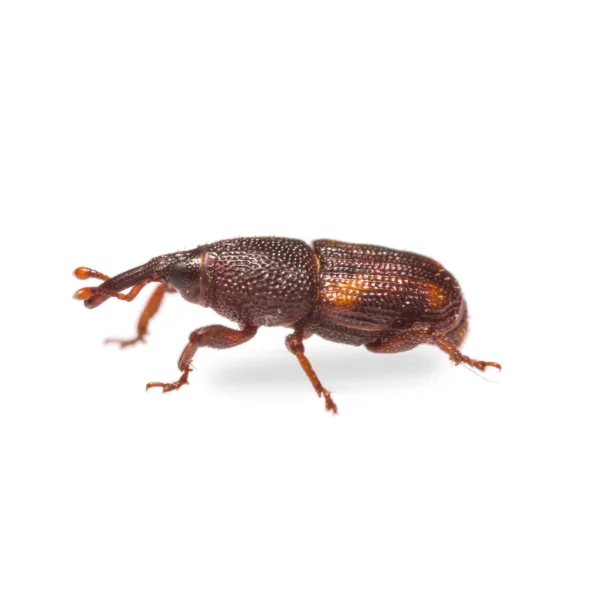
Pantry & Stored Product Pests
Peak Season: Winter
Indian meal moths are the most common pantry pest. They’re small moths (about ⅜ inch) with distinctive reddish-brown wing tips. Weevils are small beetles with elongated snouts. Flour beetles are small, reddish-brown beetles.
These pests infest dry goods, including flour, cereal, rice, pasta, pet food, birdseed, and spices. They often enter homes inside already-infested products purchased from stores.
Inspect all stored food products and discard anything infested, clean pantry shelves thoroughly, and store all dry goods in airtight containers.
Pantry pests don’t bite or spread disease, but they contaminate food with their bodies, eggs, larvae, and waste. Infested food should be thrown away.
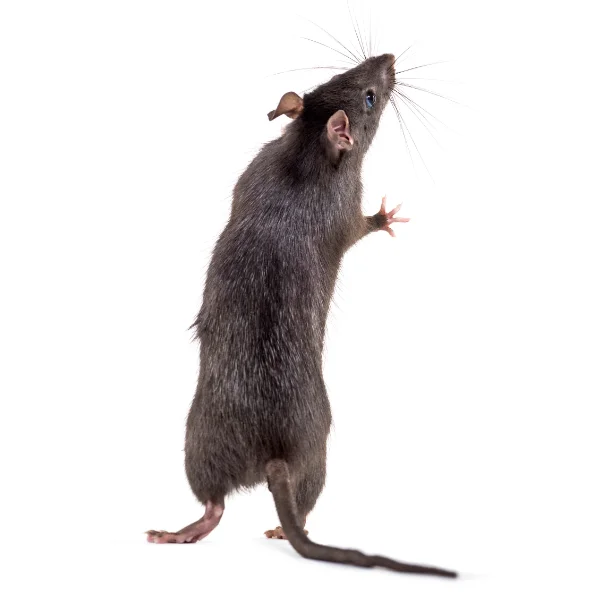
Rodents
Peak Seasons: Fall & Winter
House mice are small (two to four inches long, not including their tail), gray or brown, with large ears, pointed noses, and small eyes. Norway rats are much larger (7-10 inches), brown or gray, with blunt noses, small ears, and thick tails. Roof rats are slightly smaller than Norway rats, black or brown, with pointed noses, large ears, and long tails.
Mice tend to nest in wall voids, attics, cabinets, and cluttered storage areas. Some rats prefer basements, crawl spaces, and ground-level areas, while other rats nest in attics, upper floors, and dense vegetation.
Rodent control requires a comprehensive approach. Seal all entry points, remove food sources, and eliminate hiding spots.
Rodents pose serious health and safety risks. They contaminate food and surfaces with urine, droppings, and parasites and spread diseases (including hantavirus, salmonella, and leptospirosis). Their constant gnawing damages wiring (creating fire hazards), insulation, pipes, and structural materials. Rodents also bring fleas, ticks, and mites into your home.
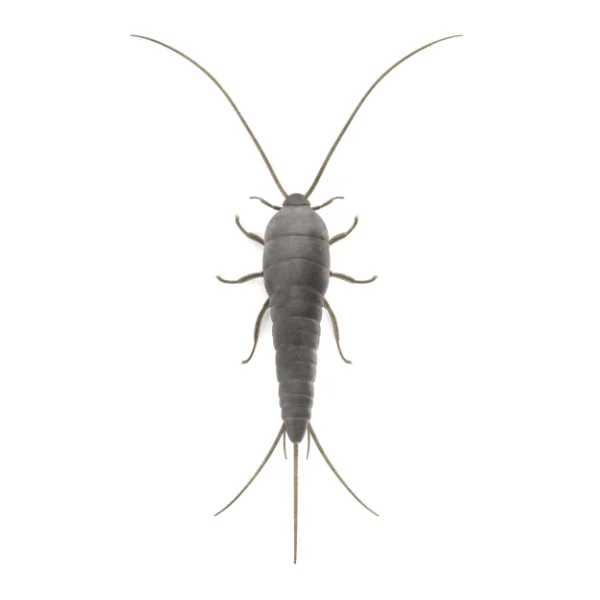
Silverfish
Peak Seasons: All Year
Silverfish are small (½ -1 inch), wingless insects with distinctive silvery-gray, fish-like scales covering their teardrop-shaped bodies.
Silverfish thrive in dark, humid environments. You’ll find them in bathrooms, basements, attics, kitchens, and laundry rooms. They hide during the day in cracks, behind baseboards, under sinks, and in storage boxes.
Since silverfish cannot survive in dry environments, reduce humidity, fix leaky pipes, and improve drainage.
Silverfish don’t bite or spread disease, but they can cause significant damage to belongings. They feed on paper, books, wallpaper, photos, clothing, and even glue. They’ve been known to destroy important documents, family photos, and valuable books.
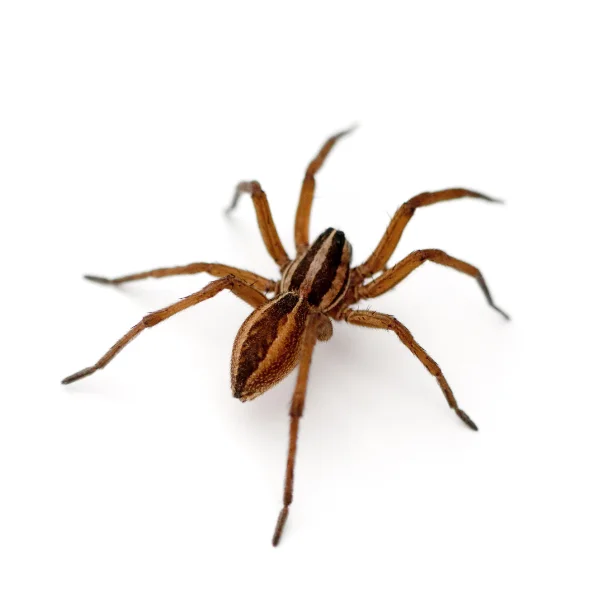
Spiders
Peak Seasons: Spring & Fall
Common house spiders are small, brown or tan, with round abdomens. Giant house spiders are larger (up to 4-inch leg span), brown with chevron markings, and are very fast. Hobo spiders are similar in appearance.
Spiders live anywhere they can find prey. Web-building spiders prefer corners, basements, garages, attics, and undisturbed areas.
Since spiders feed on other insects, reducing their prey population is key. Keep your home clean and vacuum regularly, including corners and behind furniture. Also, remove webs promptly.
Most spiders in Vancouver WA and Portland OR are harmless and actually beneficial because they eat other pests. However, black widow spiders, while rare, have venomous bites that require medical attention. Even non-dangerous spider bites can cause pain and swelling.
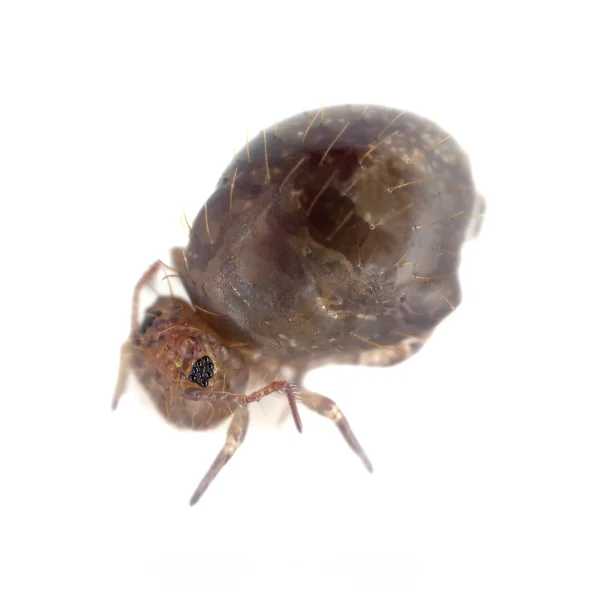
Springtails
Peak Seasons: All Year
Springtails are tiny (1/16 inch or smaller) and are usually gray, white, or black. They have a unique forked appendage on their abdomen (called a furcula), which acts like a spring and allows them to jump several inches when disturbed.
Outside, they live in mulch, leaf litter, and soil. Inside, they congregate in bathrooms, kitchens, basements, and around windows with condensation.
The key to springtail control is eliminating moisture. Fix leaky pipes and faucets, and improve ventilation.
Springtails don’t bite, sting, spread disease, or damage property. They’re primarily a nuisance pest. However, their presence in large numbers indicates moisture problems that can lead to mold growth, wood rot, and other structural issues.
Termites
Peak Season: Spring
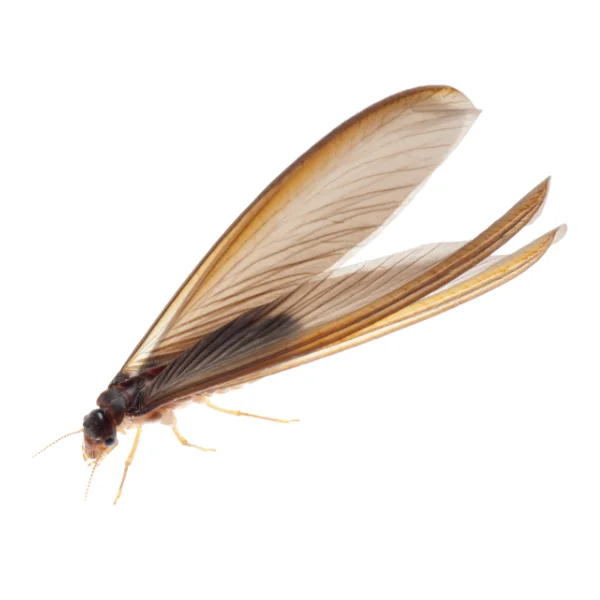
Subterranean termites are the primary termite species in Vancouver WA and Portland OR. Workers are small (⅛ inch) and are soft-bodied and creamy-white, while swarmers (reproductive termites) are dark brown to black with two pairs of equal-length wings.
These termites live in underground colonies and build mud tubes to travel between soil and wood food sources. You’ll find mud tubes along foundation walls, piers, and other structures.
Termite control is not a DIY project. Professional treatment is absolutely essential.
Termites cause billions of dollars in damage across the U.S. each year. They work silently and can cause significant structural damage before you notice any signs.
Wasps
Peak Seasons: Spring & Summer
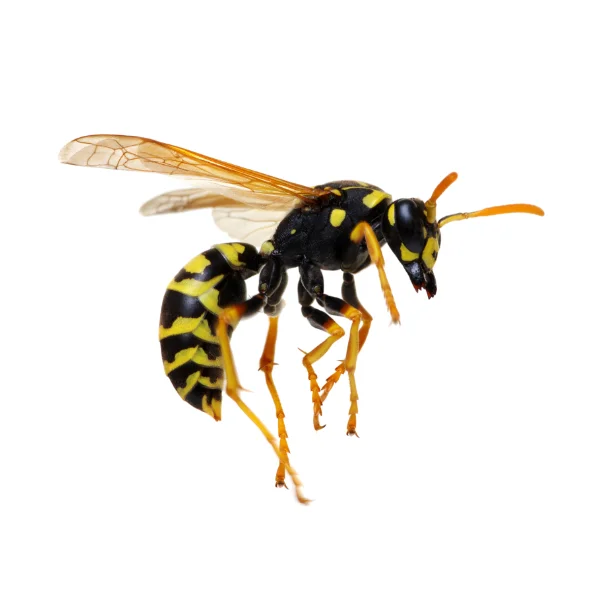
Paper wasps are about ¾ -1 inch long, slender, with long legs, and brown with yellow markings. Yellowjackets are about ½ inch long, stocky, with bright yellow and black patterns. Bald-faced hornets are larger (about ¾ inch), black with white markings on their face and abdomen.
Paper wasps build open, umbrella-shaped nests under eaves, in attics, and on porches. Yellowjackets nest underground in abandoned rodent burrows, in wall voids, and in hollow trees. Bald-faced hornets build large, enclosed paper nests in trees, shrubs, and on buildings.
Never attempt to remove a wasp nest without proper training and equipment. Disturbing a nest can trigger aggressive attacks and multiple stings.
Wasp stings are painful and can be life-threatening to people with allergies. Unlike bees, wasps can sting multiple times. Yellowjackets are particularly aggressive when defending their nests.
Seasonal Pest Control Services (vs DIY Efforts)
Pest infestations change throughout the year, and your protection should, too. Here’s what you can expect when you partner with a professional pest control company (like Deep Roots Pest and Wildlife Innovations, LLC) to tackle seasonal invaders:
- Comprehensive Inspection: We identify current pest activity, locate entry points, and assess conditions that attract pests.
- Customized Treatment Plan: We develop a treatment plan based on your home’s unique needs, the pests present, and the current season.
- Preventative Exterior Treatment: We apply protective barrier treatments around your home’s foundation, entry points, and common trouble areas.
- Interior Treatment (as needed): We focus on problem areas while keeping your family’s safety as our top priority.
- Exclusion: We identify and recommend repairs to seal entry points, address moisture problems, and eliminate conditions that attract pests.
- Ongoing Prevention: We monitor for new pest activity, adjust treatments seasonally, and address emerging problems before they become major infestations.
Don’t Wait for Pests to Take Over
Remember, the best season for pest control is every season. Different pests are active at different times of year, and your protection should adapt accordingly.
Deep Roots Pest and Wildlife Innovations, LLC provides professional seasonal pest control services and year-round protection tailored to the specific threats each season brings.
Ready to get started? Contact us today for a free inspection and customized pest control plan.